
Buying Guides

Buying a sewing machine
Buying a sewing machine is an exciting investment that promises hours of creative enjoyment. This buying guide can help you with deciding on, ordering and owning a sewing machine.
Level of experience
Buying for a beginner or a more experienced sewer? Here’s how to choose:
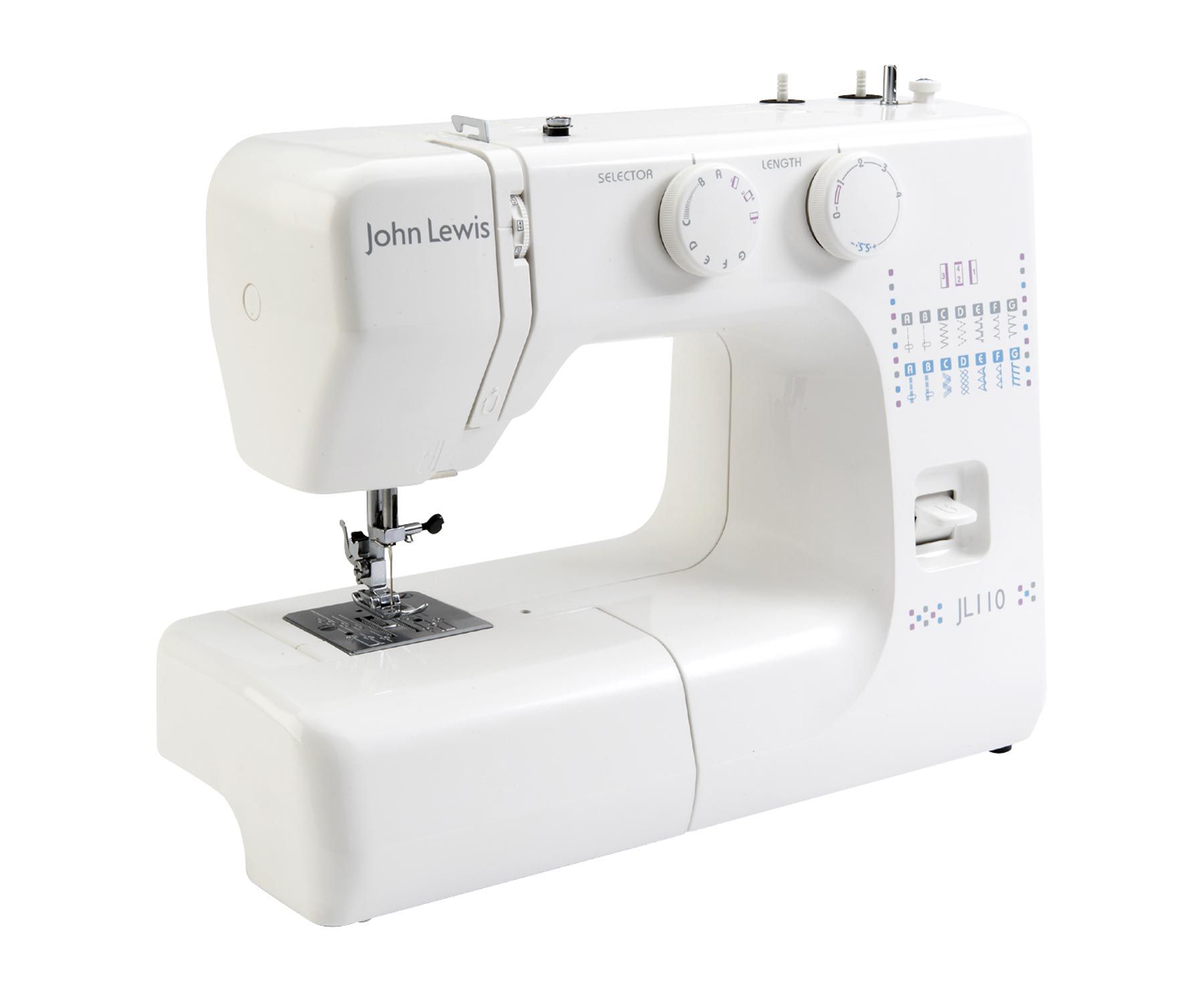
Beginner Machines

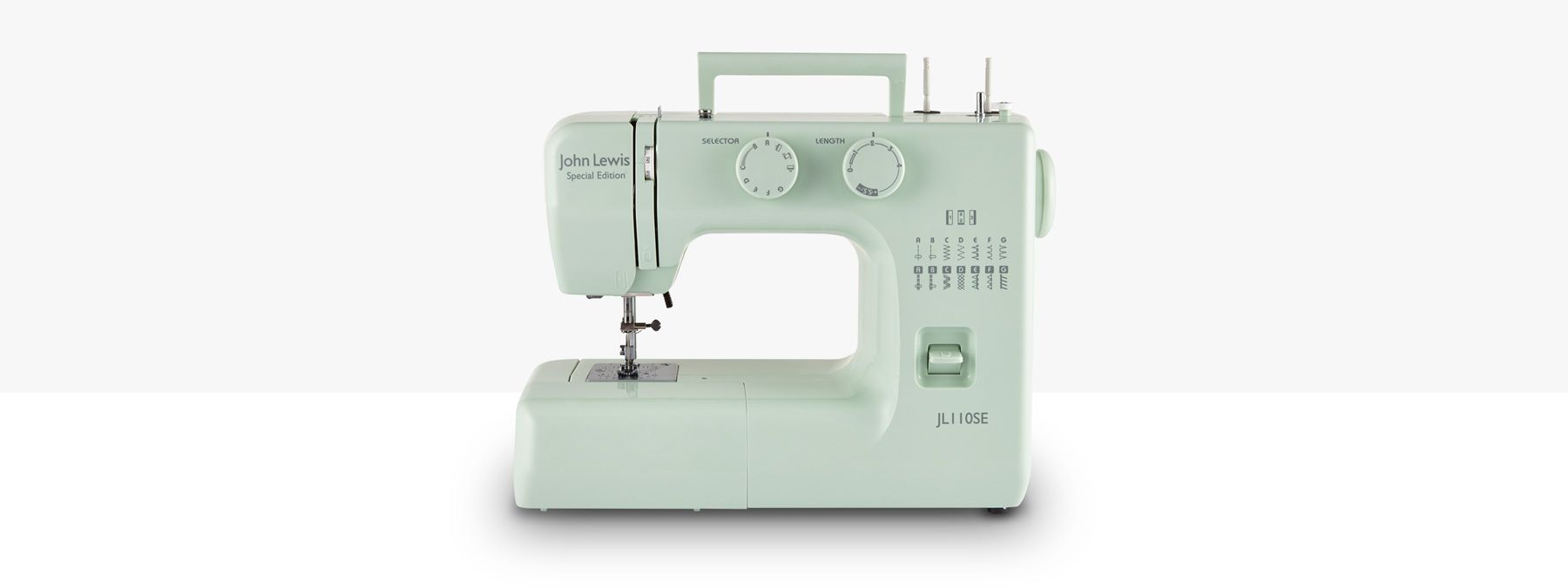
Sewing newcomers should opt for something simple to begin with, like our entry level mechanical machines.
- Uncomplicated and have a basic range of stitches
- Best for light to medium-weight fabrics
- Often top-loading, so there’s less chance of the thread getting snarled
- Feature a foot pedal so you can regulate the speed and go at your own pace
Intermediate Machines
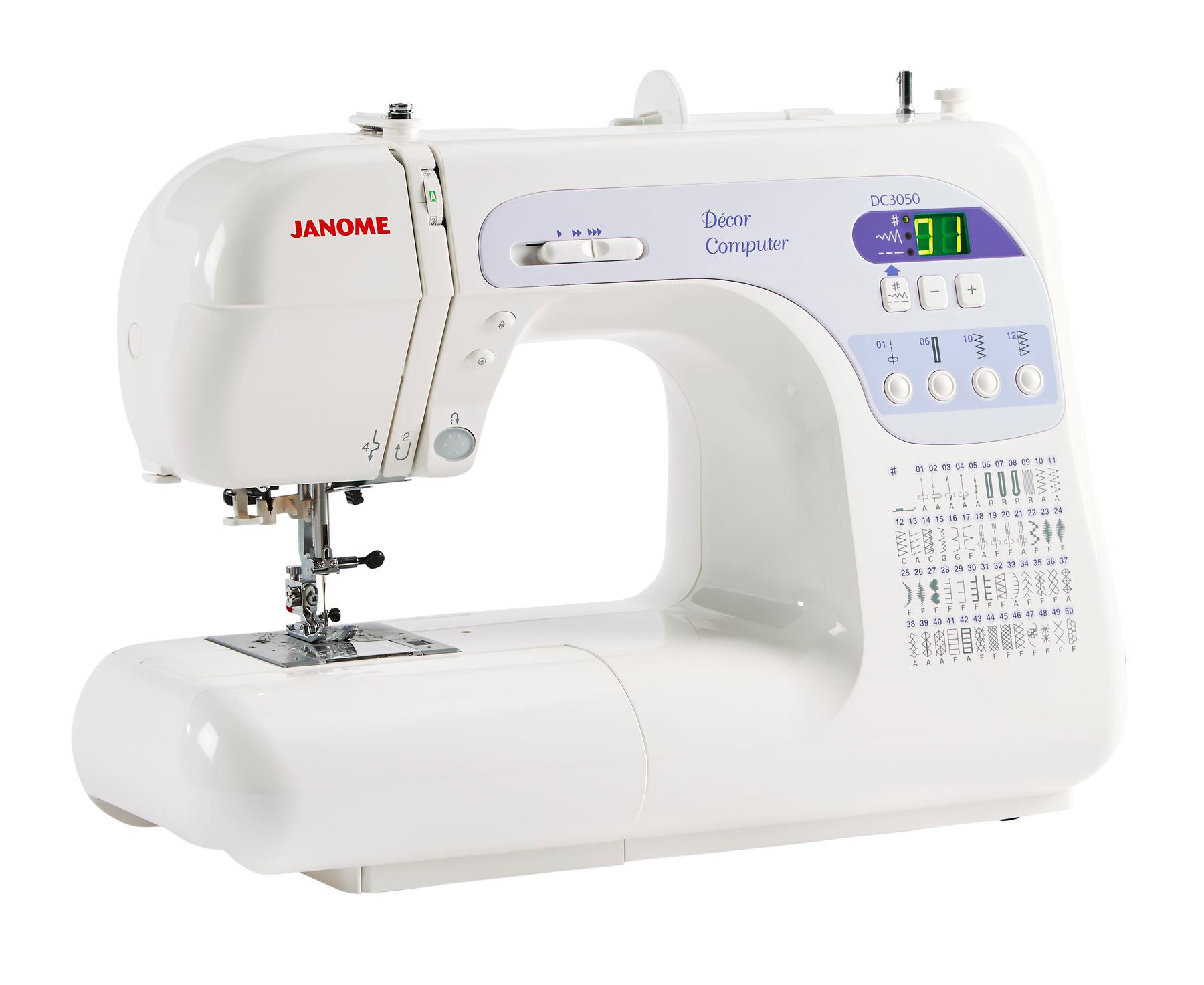
For those with a little more experience, electronic machines are a great option.
- Feature a wider variety of stitch options, including automatic buttonholes
- Offer extra needle power for more heavyweight fabrics like denim
Advanced Machines
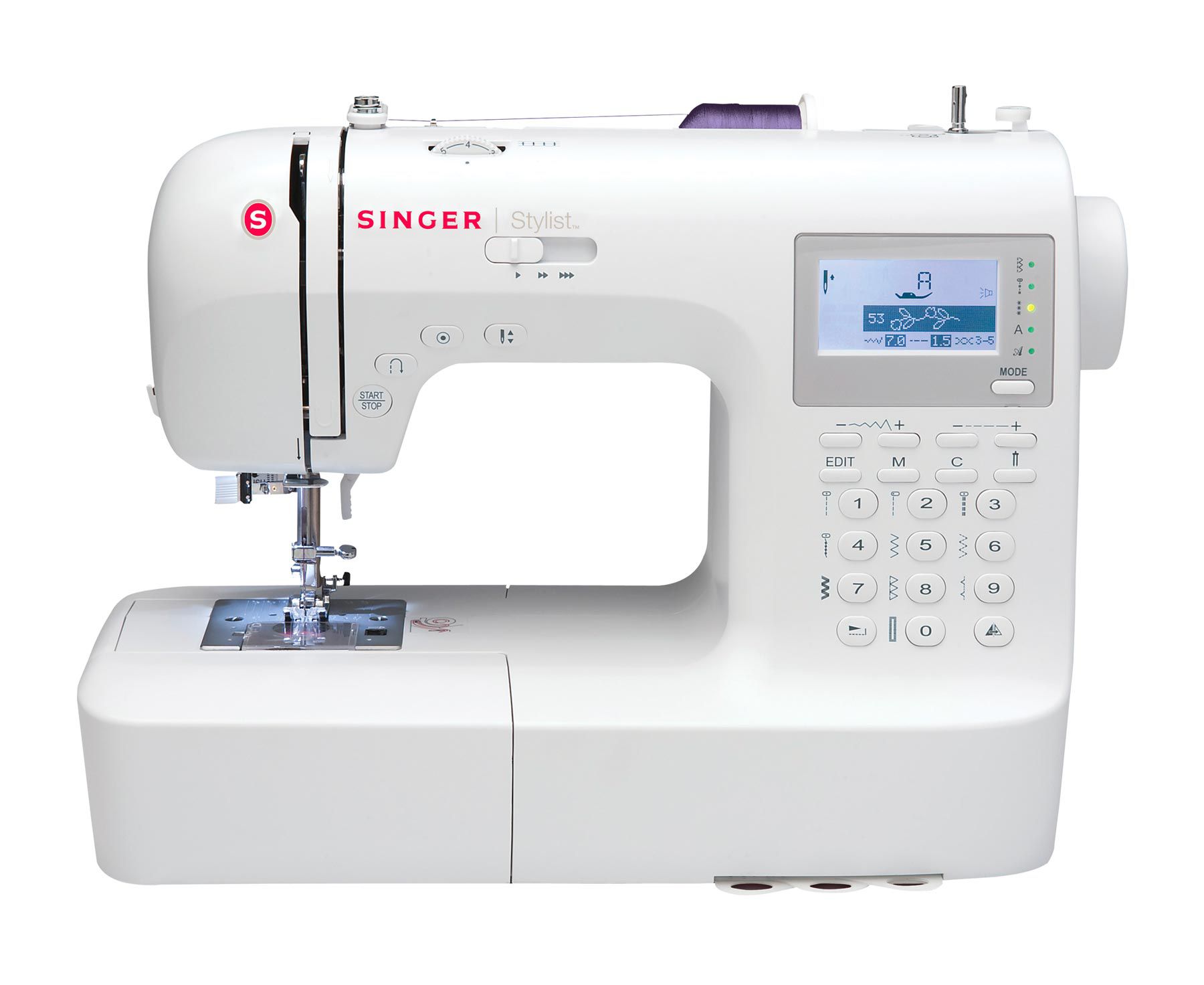
Our computerised machines are ideal for the experienced sewer looking to upgrade.
- Automatic tension
- Precise controls
- Multiple stitches using a touchpad linked to an LCD display screen
- Can often memorise past projects
- Download designs when connected to the internet
Overlockers (or sergers)
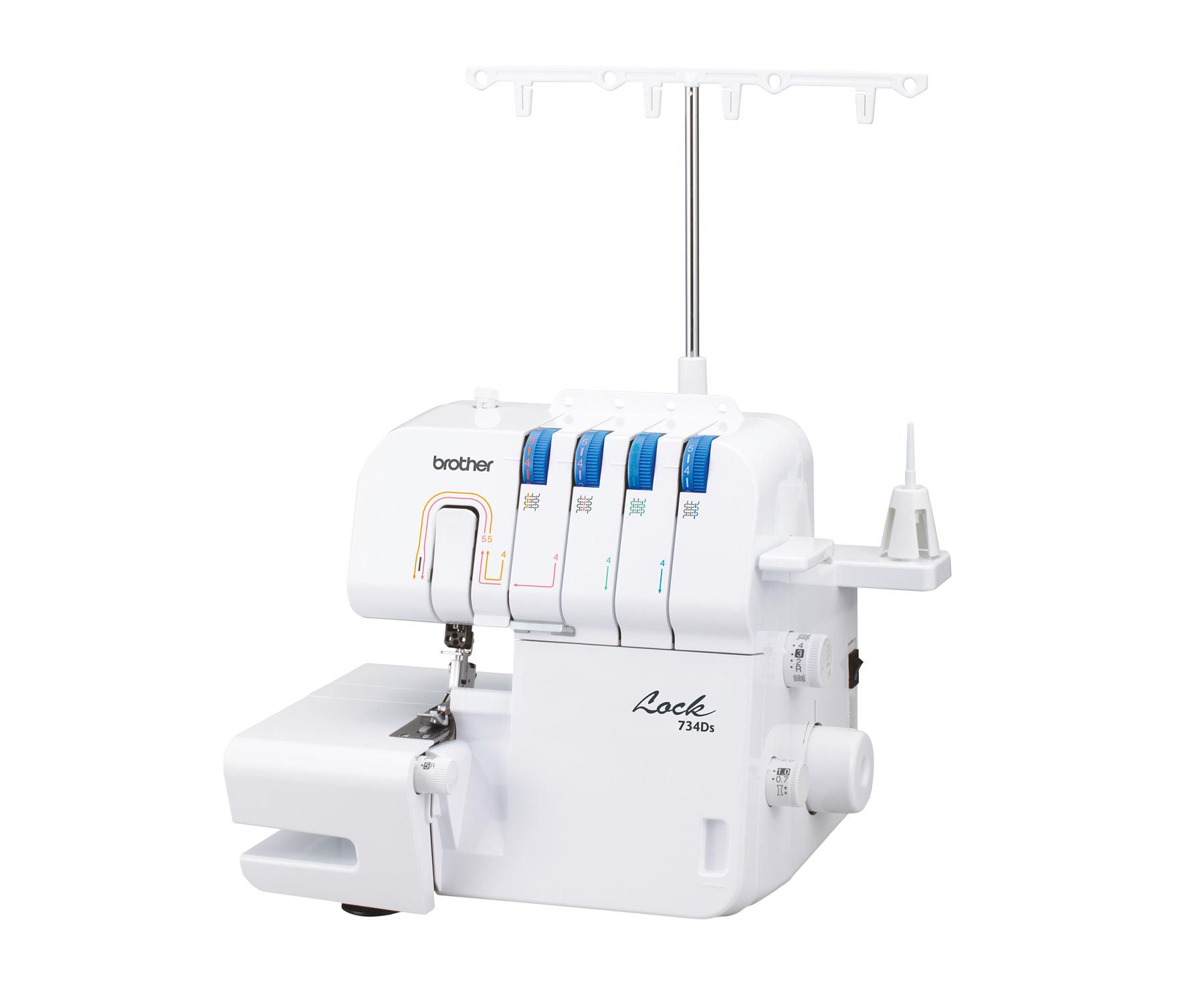
Finishing machines used for hems and seams but might also have decorative stitching options.
- Can sew a seam, finish the edge and cut off the excess fabric in one step
- Great for sewing knitted fabrics such as jersey
- A good buy alongside a sewing machine, especially if you sew frequently
What will the machine be used for?
Consider the kinds of sewing projects the machine will be used for. You need the right machine for the job.
Repairs & alterations
For repairs and alterations a basic mechanical machine might be all you need.
Dressmaking
When it comes to dressmaking, look for the terms ‘buttonhole stitches’ and ‘free arm.’ The latter will make sewing sleeves and trouser legs much easier.
Embroidery & crafts
A machine with a wider range of stitches will be more suitable for embroidery and crafts. Many models even come with an automatic embroidery feature that enables you to stitch out pre-programmed designs downloaded from the internet.
Home furnishing
For home furnishings and upholstery, look for a machine with greater needle power so that you can easily handle thicker fabrics. Most computerised machines have these.
Quilting
‘Long arm’ models will help with bigger projects such as quilts and bridal wear.
Weight & storage
Will your machine need to be packed up and put away after each use? Will you be taking it to classes? Consider the weight, as you don’t want to lift a heavy machine more than you need to. The weights of all our machines are listed online or on the ticket in store.
Do you need storage space for accessories? Many of our machines come with a storage area underneath. Handy when space is limited.
Most models also come with a soft or hard cover to protect your machine from dust, but consider buying a sewing machine bag for safe and easy transportation.
Ordering
Standard Delivery
Standard delivery of your Sewing Machines is free. This can be as little as 3 working days, but you’ll be offered delivery slots at checkout.
Next Day Delivery
Available for most of our Sewing Machines.
Delivery by our approved supplier
Some Sewing Machines Delivered directly by the manufacturer, or chosen courier, and they will arrange delivery with you.
Our two-year guarentee
Guarantees on all our electronic appliances are at least 2 years as standard.