Buying Guides

Buying the best flooring
Hard and natural flooring adds a clean, fresh look to your home.
Explore our guide below for help deciding on, ordering and owning the right style for your home. If you decide to buy flooring from us, then we'll need to estimate for and fit your new flooring too
Virtual and In-Home appointments available
Our expert Partners are still available for In-home and virtual Estimating Appointments in line with Government guidance. Book an appointment below
Types of flooring
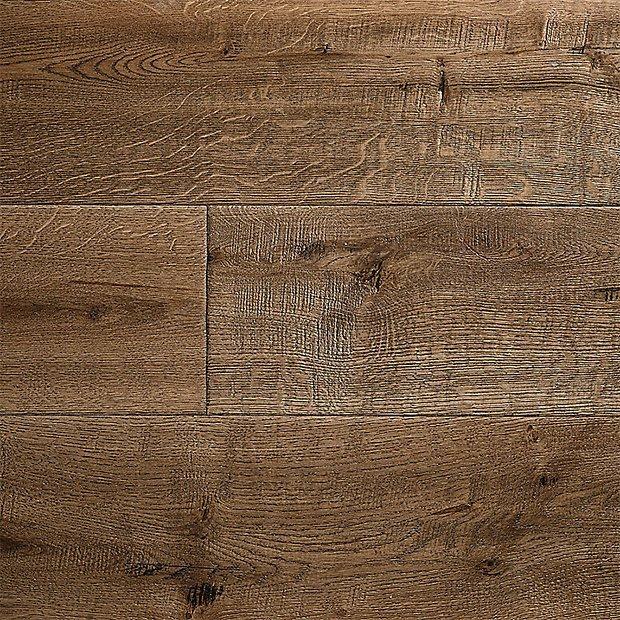
Engineered wood
If you:
- Want a cost-effective alternative to solid wood
- Need something strong, stable and easy to install
- Have underfloor heating
- Want something suited to a kitchen or bathroom
Then consider engineered wood because:
- It’s good at resisting warping, buckling and cracking
- It can be sanded and refinished multiple times
- It's suitable for use in moist conditions
Luxury vinyl tiles
If you:
- Want to create individual designs
- Have allergies triggered by carpet fibres
- Have underfloor heating
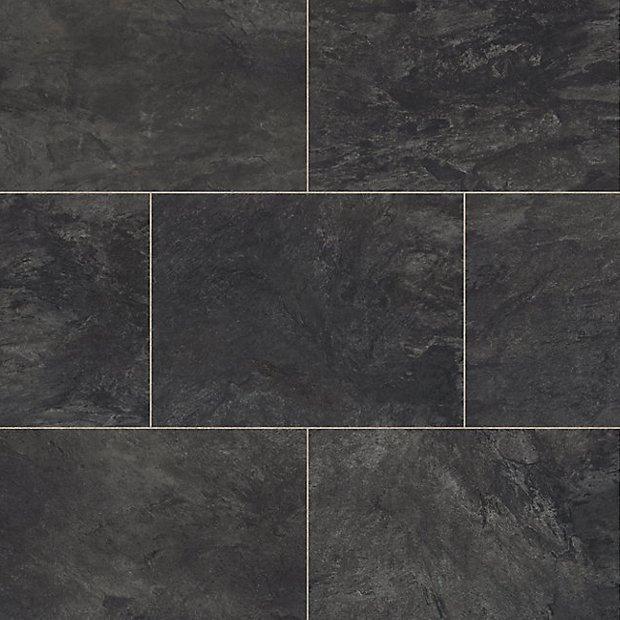
Then consider luxury vinyl tiles because they're:
- Hygienic and easy to clean
- Resistant to bacteria, dust mites and allergens
- Waterproof and provide excellent grip
- Offer great sound insulation
- Available in many different finishes and patterns
Vinyl
If you:
- Want a budget-friendly alternative to engineered wood, laminate or luxury tiles
- Are shopping for a kitchen or bathroom
- Have underfloor heating
- Want a variety of designs
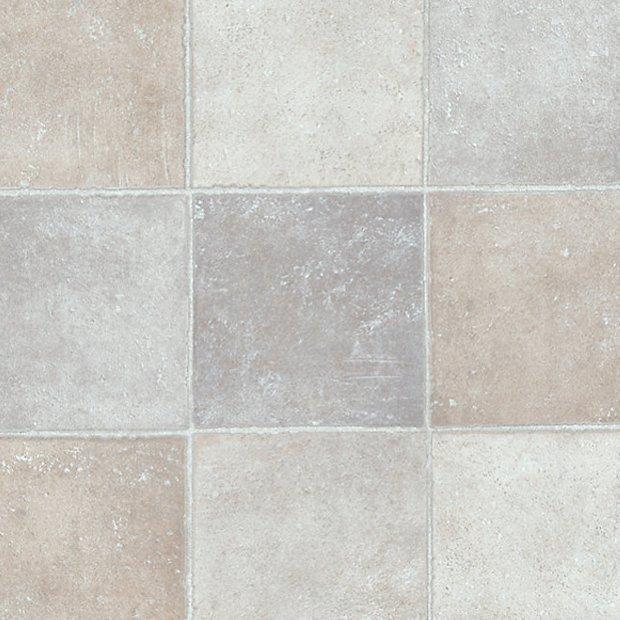
Then consider vinyl because:
- It’s cushioned for comfort and insulation
- It’s water resistant
- It’s available in wood, tile, patterned and plain designs
Tip
It's often necessary to have your floor levelled and smoothed first, otherwise the vinyl could crease
Pricing
Our hard flooring is priced by the pack or by the square metre (a pack can vary between 1.5-3.5 square metres). Both prices will be shown online and in our shops, so you can easily compare.
Please bear in mind that the final cost will depend on any additional services related to fitting.
Estimating, ordering & fitting
For the majority of our range, if you'd like to buy your flooring from us, then we'll need to fit it too. We offer a free estimating service where one of our estimators will visit your home to take measurements and provide you with a quote, so you’ll need to decide on your flooring before the estimator visits.
We can only supply and fit to our estimator's measurements, not to yours or to any supplied to you. Once you've accepted your estimate, we'll order your flooring and arrange a convenient fitting date with you.
We have a limited range of supply only Luxury Vinyl Tile where you can order how many packs you want online and get them delivered straight to your house. These ranges are ideal for DIY or you can arrange your own fitting. These are not always available to view in our stores so please order a swatch online before purchasing so you can select colour and finish to prevent the need to return items.

Owning
Caring for your hard flooring
- Get a good quality doormat to protect against grit and water
- Use felt pads or castor cups to protect from furniture dents, marks and scratches
- Mop up water straight away. Beech and maple woods are especially sensitive
- Wash floors using a soapy, non-abrasive cleaner specifically for wooden floors
- Rearrange rugs and furniture periodically, in order to avoid colour change from sunlight
- Use anti-slip polish for lacquered wooden floors, but colour test a small area first